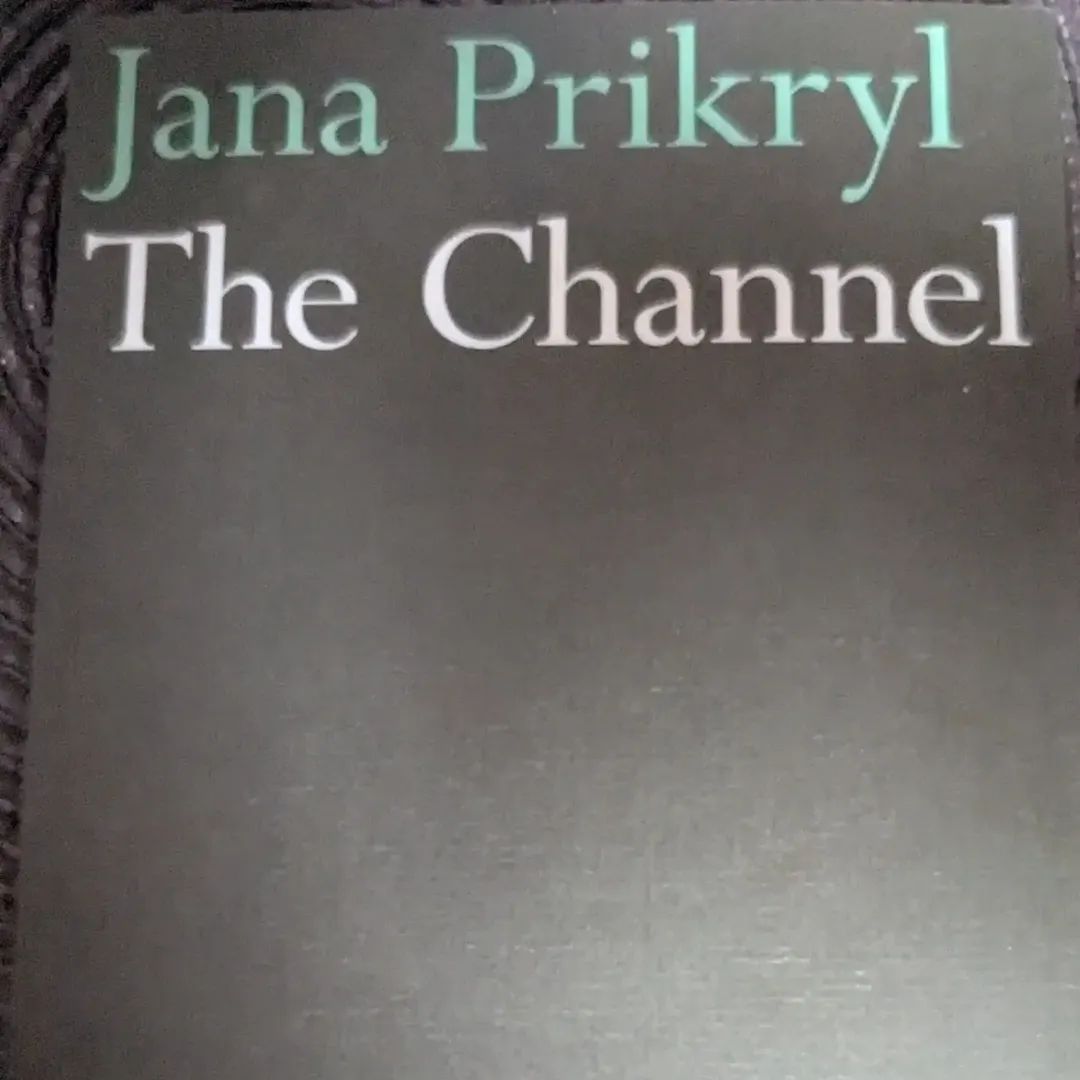
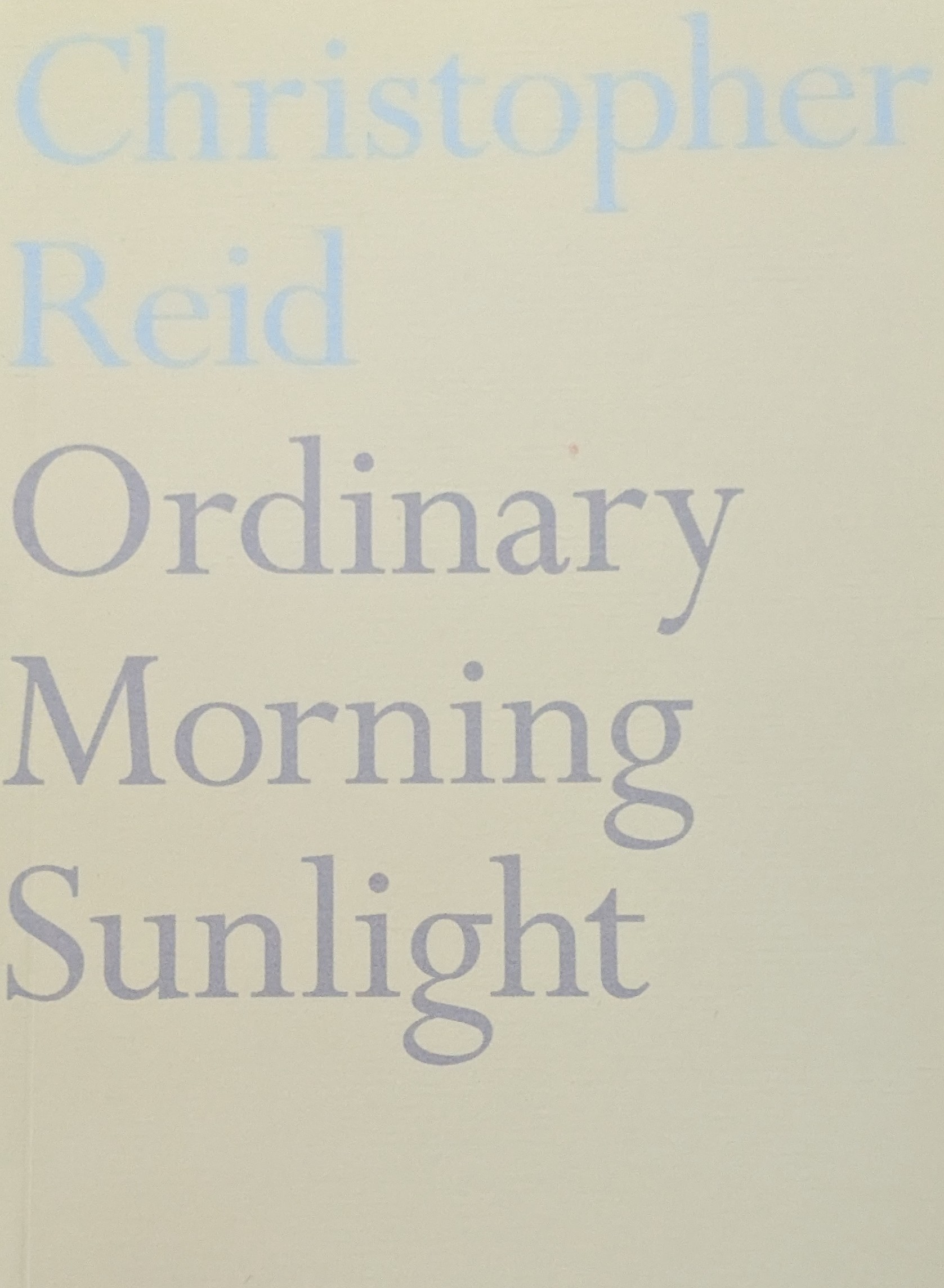
and I am more angry and put out about it at this stage than anything else. I was rougher than a badgers hole with it last week but thankfully have an option to work from home which meant I didn’t have to lose any time off work which is great because I am agency staff and we don’t get sick pay. Or, you know, rights.
The muse hasn’t been busying herself with me so here’s a whinge about having the cold:
The Cold
Having a cold
Is a pain in the hole
Utterly inconvenient
Not to say utterly uninvited
The nerve of it.
Infiltrating my life
Affecting everything I do
The brass neck. The unearned entitlement.
That’s as good as I can manage from my office desk and two Lemsips deep.
IN OTHER NEWS
I joined Faber and Fabers poetry book club where they send you a book of contemporary poetry every month. The editions really are quite beautiful in a utilitarian way. So far I have Christopher Reids “Ordinary Morning Sunlight” and Jana Prikryl “The Channel”. I’ll llet you know what I think.
There’s actually a few I’d like to share with you. Particularly Stephen de Burca’s “Atlantic Fret” which is amazing. Stephen ran the Starts and Beginnings workshop I recently attended which I thoroughly loved.
Anyway, I’m off to sneeze and cough my way through the rest of the afternoon.
It’s every bit as important to read poetry as it is to read *about* poetry.
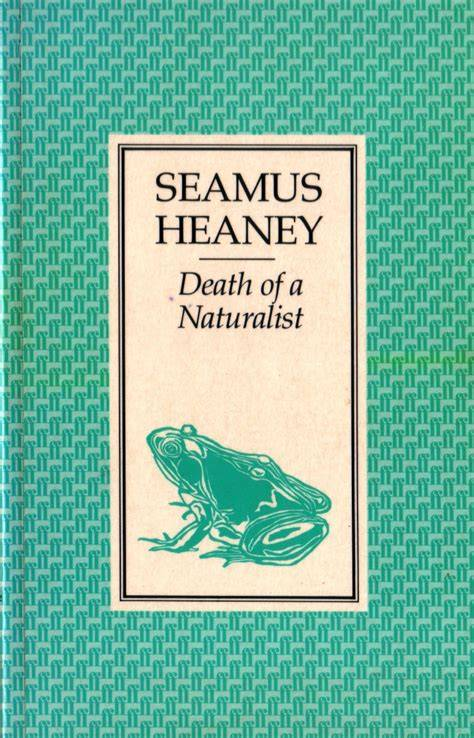
Death of a Naturalist tuned 60 on the first of January this year (2026).
I was introduced to this book in 1990 as part of my G.C.S.E in English Literature. The English teacher at this school (St. Columbas in Portaferry. I had recently parted company with The Red High because of Musical differences and I will not be taking questions on that matter) had promised anyone taking on English Lit that there would be no Shakespeare. Baffling. If you don’t like Shakespeare should you be doing English lit? Anyway, we did Sean O’Casey “Juno and the Paycock”, Jennifer Johnstone “How many miles to Babylon” and Seamus Heaney “Death of a Naturalist” all excellent and easily a match for The Bard but still. He’s The Bard.
I probably didn’t appreciate this as much as I could have at the time. I was 14 and had just been expelled from a Grammar school. I was pretty cynical about the whole education system because I felt entirely let down by it and as such had no interest in engaging with it. Privately I did fall in love with this volume.
I have a particular fondness for proletariat poetry, poetry written and spoken in a working class accent about working class things within a working class idiom. This is probably because of the huge chip I have on my shoulder about class. I’m working on it. Even more particularly in a colloquial accent or even my accent. With Heaney all of my senses are engaged and I recognise some of the places he speaks about. I can relate to “Personal Helicon” more so than I can with “The Divine Comedy” (I still love them both).
The 1947 Education act opened the doors to further and higher education in The North of Ireland and boy did it. suddenly working class Catholics and Nationalists had access to university. Out of this came the Northern Ireland Civil Rights Association and figures like John Hume, Eamonn McCann and Bernadette Devlin were upsetting the status quo and more importantly, were informed in a way they had never been before. These people and the associations they made are precisely why subsequent governments have bent over backwards to price working class people out of education. “For the master’s tools will never dismantle the master’s house” Audre Lorde’
Now *THIS* is a love poem.
Twice Shy
Her scarf a la Bardot, In suede flats for the walk, She came with me one evening For air and friendly talk. We crossed the quiet river, Took the embankment walk.
Traffic holding its breath, Sky a tense diaphragm: Dusk hung like a backcloth That shook where a swan swam, Tremulous as a hawk Hanging deadly, calm.
A vacuum of need Collapsed each hunting heart But tremulously we held As hawk and prey apart, Preserved classic decorum, Deployed our talk with art.
Our Juvenilia Had taught us both to wait, Not to publish feeling And regret it all too late – Mushroom loves already Had puffed and burst in hate.
So, chary and excited, As a thrush linked on a hawk, We thrilled to the March twilight With nervous childish talk: Still waters running deep Along the embankment walk.
It is ambitious of me and I wouldn’t have been able to do this without a ready reckoner of some sort and in this its Stephen Fry’s “The Ode less Travelled” which is brilliant. If you like poetry and wish to understand it better or even, heaven forfend, start writing your own then its as good a start as you’re going to get. Anyway…